Wisdom Teeth Removal

Wisdom teeth are the last set of teeth to develop, usually emerging between the ages of 17 and 25. For some people, there may not be enough room for wisdom teeth to erupt normally, which can lead to impacted wisdom teeth, pain, swelling, infection or other dental problems.

At Pacific Smiles Dental, our dentists can assess your wisdom teeth and recommend the most appropriate treatment based on their position, development and your individual needs.

Wisdom Teeth Removal at Pacific Smiles Dental

  • Assessment and advice – Your dentist can assess your wisdom teeth and discuss whether removal is recommended.
  • Wisdom teeth X-rays – A full-mouth X-ray (OPG) may be required to assess the position and development of your wisdom teeth.
  • Treatment options – Wisdom teeth can be removed using local anaesthetic, with sedation or, where appropriate, under general anaesthetic.
  • Individualised care – Your dentist will explain your treatment options, expected recovery and associated costs.
  • Convenient appointments – Find your local Pacific Smiles Dental centre and book a wisdom teeth consultation.

Book a wisdom teeth consultation today to discuss your options with a dentist.

Any surgical or invasive procedure carries risks. Before proceeding, you should seek a second opinion from an appropriately qualified health practitioner.

Why choose Pacific Smiles Dental?

As Australia’s local Dentist, Pacific Smiles Dental has over 110 centres to allow convenient access to the dental services you need.

Compare specialist dental options

Focus Area Common Treatments or Procedures Conditions Treated Patient Needs Addressed
Endodontics Root canal and tooth preservation Root canal therapy, retreatments Tooth pain, infections Patients with deep tooth decay or trauma
Periodontics Gum and bone health Gum grafts, scaling, and root planning Gum disease, bone loss Patients with advanced gum disease
Prosthodontics Restorative and replacement teeth Crowns, bridges, dentures, implants Missing teeth, bite problems Patients needing complex restorations
Orthodontics Tooth and jaw alignment Braces, clear aligners, retainers Misaligned teeth, jaw irregularities Patients with malocclusion or crowded teeth
Special Interest Dentistry Specific advanced interests Cosmetic dentistry, sleep apnea treatment Cosmetic concerns, snoring issues Patients seeking aesthetic or niche solutions
Oral & Maxillofacial Surgery of face, mouth, jaw Wisdom teeth removal, jaw realignment Facial trauma, oral cancers Patients with facial irregularities or trauma

Wisdom teeth are the third molars at the back of your mouth. Most people develop four wisdom teeth, two in the upper jaw and two in the lower jaw, although some people develop fewer or none. Wisdom teeth generally begin to erupt from around the age of 18.

Wisdom teeth may need to be removed when there is not enough room for them to erupt properly or when they are causing, or are likely to cause, dental problems.

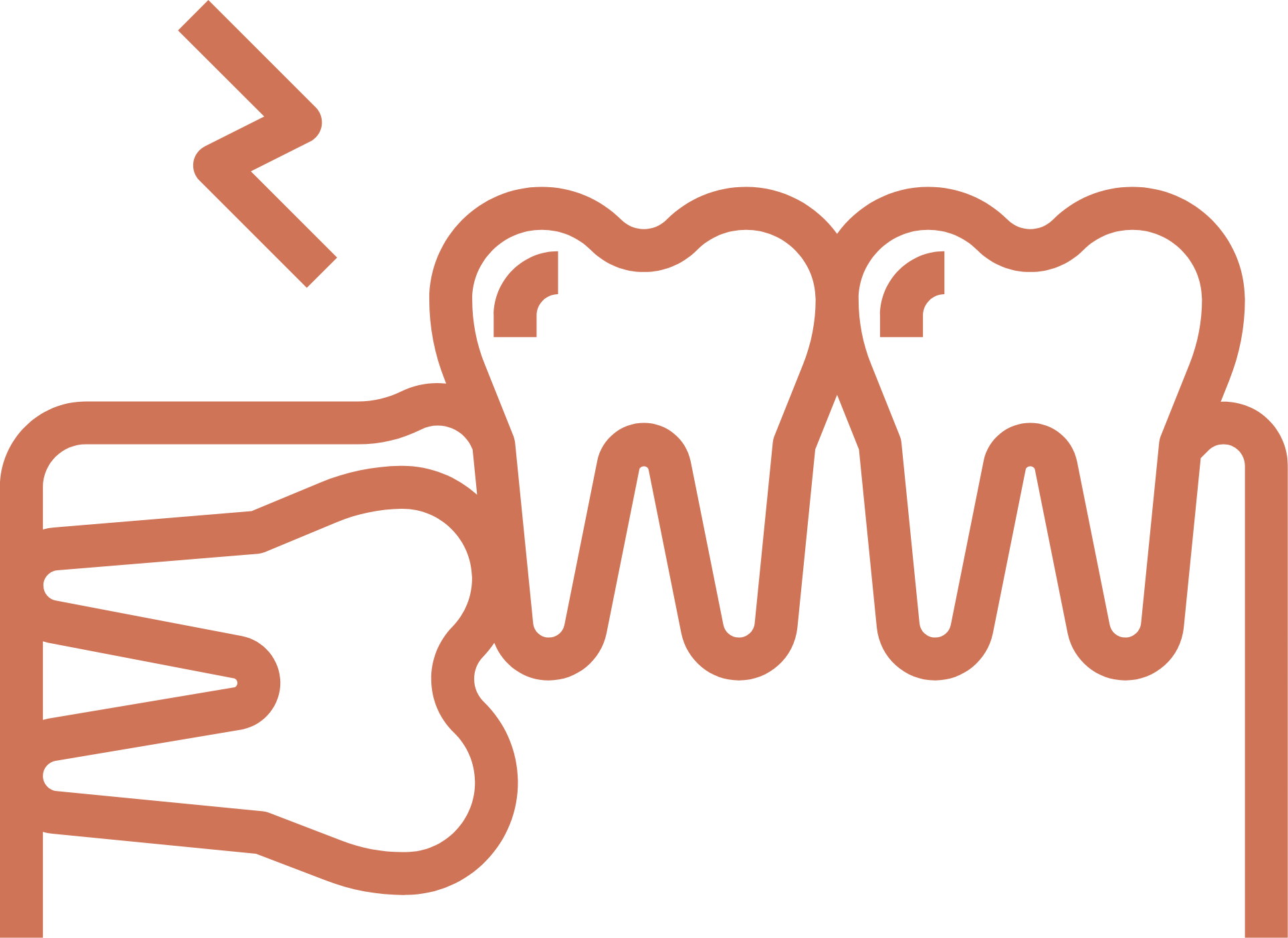
A wisdom tooth that does not have enough room to emerge can become impacted, meaning it is trapped beneath the gum or against another tooth. Impacted wisdom teeth can contribute to pain, swelling, infection, food getting trapped around the tooth, damage to neighbouring teeth and, in some cases, cyst formation.

Your dentist may recommend wisdom teeth removal based on the position of your teeth, their development, your symptoms and your overall dental health.

Some common signs and symptoms associated with problematic wisdom teeth include:

  • Pain or tenderness at the back of the mouth
  • Swelling around the gums
  • Red or inflamed gums
  • Recurrent infection
  • Difficulty opening your mouth
  • Food becoming trapped around a wisdom tooth
  • Damage or pressure affecting nearby teeth

However, wisdom teeth do not always cause symptoms. Your dentist may recommend monitoring or removing wisdom teeth based on their position and the likelihood of future problems.

If wisdom teeth removal is recommended, your dentist will discuss the timing with you. In some cases, removal at a younger age may be easier because the roots may not yet be fully developed and the surrounding bone can be less dense.

Removing problematic wisdom teeth earlier may also help reduce the risk of complications associated with infection, impacted teeth, damage to neighbouring teeth or other dental problems.

Not every wisdom tooth needs to be removed. Your dentist can assess your individual circumstances and explain whether removal or monitoring is appropriate.

Before wisdom teeth removal, your dentist will assess your teeth and may take a full-mouth X-ray, known as an OPG. This helps your dentist understand the position and development of the wisdom teeth and plan appropriate treatment.

Depending on your circumstances, wisdom teeth can be removed under local anaesthetic, with sedation or, where appropriate, under general anaesthetic.

Your dentist will discuss the recommended approach with you before treatment, including what to expect during the procedure and your recovery.

In some circumstances, wisdom teeth removal may be performed with sedation. Sedation can help patients who experience dental anxiety or who would prefer to be more relaxed during treatment.

Options may include oral sedation, nitrous oxide or intravenous sedation, depending on your individual circumstances and the treatment provided.

Your dentist can discuss the available options with you and determine whether sedation is appropriate.

Some wisdom teeth extractions may be performed under general anaesthetic in a hospital setting. Whether this is appropriate depends on factors including the complexity of the extraction, your individual circumstances and the recommendations of your treating dental professional.

Your dentist can discuss your options and advise whether treatment under general anaesthetic may be suitable.

An X-ray is generally required to assess the position, development and surrounding structures of your wisdom teeth before removal. Your dentist may recommend a full-mouth X-ray, known as an OPG, to help determine the most appropriate treatment approach.

Wisdom teeth removal is performed using anaesthetic to prevent pain during the procedure. You may still experience pressure during the extraction.

Some discomfort, swelling and tenderness can occur after wisdom teeth removal as part of the normal healing process. Your dentist will provide you with instructions on caring for the area after your procedure.

Recovery varies depending on the number of teeth removed, the complexity of the extraction and your individual healing process. Your dentist will provide specific aftercare instructions and advise you on what to expect during recovery.

Not necessarily. Some wisdom teeth can remain in place without causing problems and may simply be monitored.

However, a wisdom tooth can sometimes cause problems without obvious symptoms. Your dentist can assess the position and development of your wisdom teeth and explain whether monitoring or removal is recommended.

Wisdom teeth are sometimes associated with pressure or crowding at the back of the mouth. However, the causes of dental crowding can vary between individuals.

If you are undergoing orthodontic treatment or are concerned about crowding, your dentist or orthodontic provider can assess your teeth and discuss your options.

Some impacted wisdom teeth can be monitored if they are not causing problems. However, others may increase the risk of issues such as infection, food trapping, damage to neighbouring teeth or cyst formation.

Your dentist can assess your wisdom teeth and recommend whether removal or monitoring is appropriate.

The best way to determine whether you need wisdom teeth removal is to have an assessment with a dentist. Your dentist may use an examination and X-ray to assess the position and development of your wisdom teeth and discuss the available treatment options with you.