As Australia’s local Dentist, Pacific Smiles Dental has over 110 centres to allow convenient access to the dental services you need.
 Published on September 1, 2025.
Last reviewed on September 1, 2025
by Dr Ren Sun.
Published on September 1, 2025.
Last reviewed on September 1, 2025
by Dr Ren Sun.
This year’s Women’s Health Week focuses on the importance of ‘Saying Yes to You’, and that includes caring for your oral health. A healthy smile supports a healthy body.
Perimenopause and Menopause signal a significant change in a woman’s life, often affecting not only the body but also the mouth, teeth and gums characterised by fluctuating hormone levels. This can give rise to a range of oral health challenges such as dry mouth, sensitive teeth, painful gums, and altered taste as estrogen levels decrease.
Menopause and your mouth: How hormonal changes affect oral health
Estrogen is an essential hormone in maintaining oral health, however estrogen levels decline during menopause, often causing many women to experience gum recession, bone loss, and increased tooth sensitivity, and bringing a higher risk of gum disease. Recognising these changes helps you act early and protect your oral health in the long-term.
Dry mouth, tooth decay and gum issues
Dry mouth (xerostomia) is a common postmenopausal symptom, cause by hormonal imbalances that reduce saliva production. Saliva plays a crucial role in neutralising acids and protecting against cavities and tooth decay. Dry mouth can also make eating, speaking, and sleeping uncomfortable, so it’s important to understand the causes and how solutions can improve your quality of life.
Inflamed gums or menopausal gingivostomatitis
Hormonal fluctuations can make the gums more sensitive, prone to inflammation, and susceptible to bleeding. This is often referred to as menopausal gingivostomatitis.
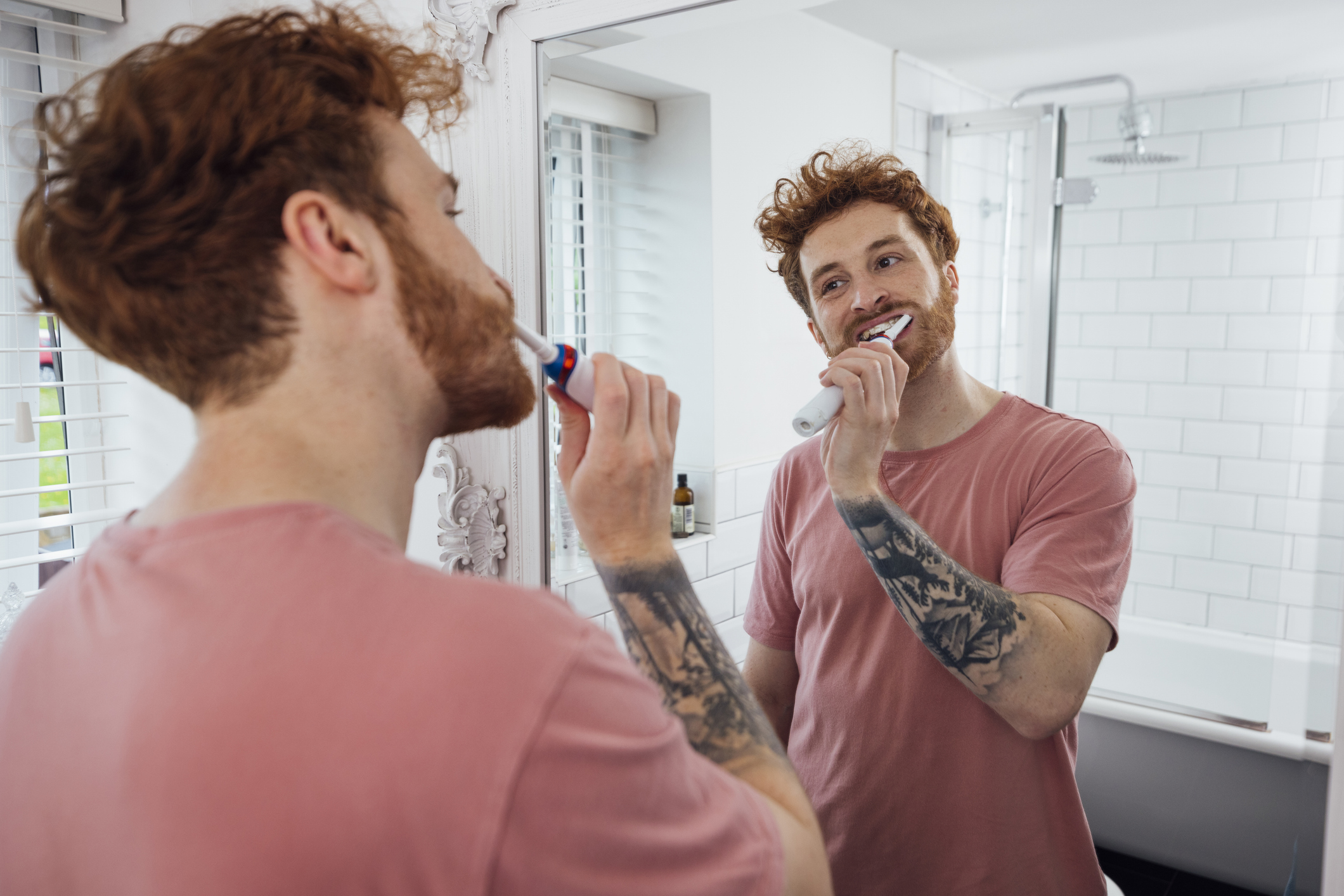
Brushing at least twice a day with a soft-bristled toothbrush, flossing at least once a day, and using a mouthwash can help prevent future gingivostomatitis and gingivitis.
Altered taste and burning sensation
Some women may experience altered taste, a metallic or bitter flavour, or a burning sensation in the mouth. These symptoms may be linked to decreased estrogen, dry mouth, or nutrient deficiencies. While often mild, they can interfere with enjoyment of food and daily comfort. If you’re noticing unusual changes in taste, it’s worth speaking to your dentist or GP, they may recommend dietary changes, saliva products, or further investigation.
Bite changes
Menopause can also affect the jaw structure, potentially altering your bite. Lower estrogen levels contribute to bone loss in the jaw, which may subtly shift how your teeth come together when you bite or chew. If you’ve noticed your teeth feel “off” or your dentures aren’t fitting quite right, it could be related to bone changes—and your dentist can help monitor and manage it.
Bone density and tooth loss.
Estrogen plays a role in preserving bone density, and the bones that support your teeth are no exception. As bone loss accelerates after menopause, the jawbone can weaken, increasing the risk of tooth mobility, gum recession and tooth loss in severe cases.
Simple daily habits for stronger teeth and gums
Brushing with a fluoride toothpaste, flossing daily, staying hydrated, and visiting your dentist regularly are small habits that have a big impact. Saying ‘Yes’ to you starts with consistency, and these routines help keep your smile strong and healthy.
How we can help
Whatever your dental history, now is the perfect time to invest in yourself. A bright, healthy smile isn’t just about appearance, it’s about living well, feeling confident, and staying connected to your wellbeing and Women’s Health Week is a reminder to take care of yourself and become more proactive about your oral health. The most important thing to remember is you don’t need to suffer from menopausal symptoms. Book an appointment and speak to your dentist about how you can alleviate some of your symptoms.
Sources:
Oral Health and the Menopause | Dental Health Foundation
Taking Care of Your Teeth and Mouth | National Institute on Aging
Related categories
Latest news

Did You See This From Service NSW? Your Child May Be Eligible for Free Dental Care
13 August 2026
Dental Health Week 2026: Win a kids electric toothbrush
15 July 2026

Should I replace my old fillings?
15 July 2026

What Pacific Smiles Dentists Look For When Treating Patients With Diabetes
15 July 2026