

As Australia’s local Dentist, Pacific Smiles Dental has over 110 centres to allow convenient access to the dental services you need.
 Published on March 6, 2026.
Last reviewed on March 6, 2026
by Pacific Smiles Dental.
Published on March 6, 2026.
Last reviewed on March 6, 2026
by Pacific Smiles Dental.
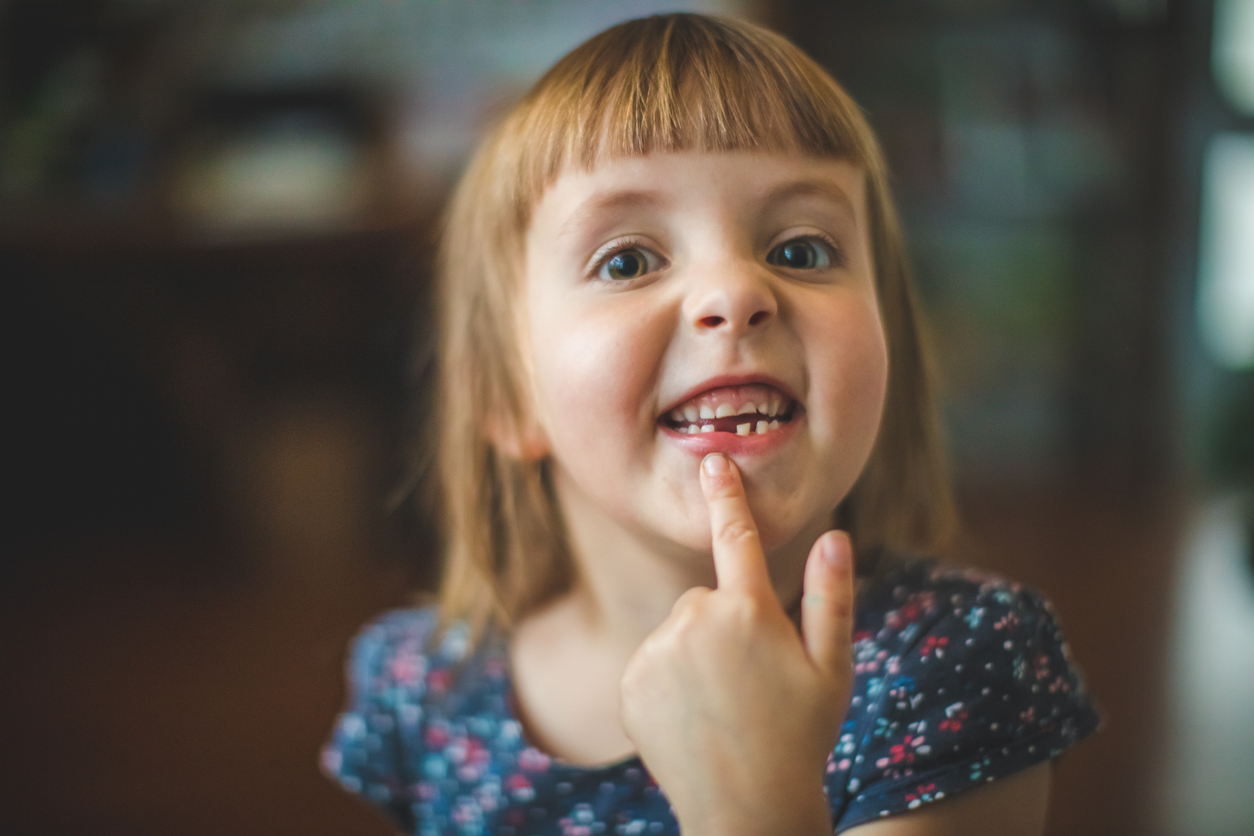
Once upon a time, a long, long, time ago, is how a lot of children’s stories start, but not this one. This fable happened just last night, at thousands of homes right across Australia. A magical event occurred that still delights and surprises nearly every young person of a certain age.
This tiny, nocturnal being has built an entire mythology and economy around children’s discarded body parts, which, when you think about it, is just a little bit creepy. Yet here we are, generations later, still participating in this bizarre ritual of exchanging baby teeth for cold, hard cash.
If you thought a child therapy inducing tradition, where a chubby, bearded man, leaves presents under a tree, a little strange. It also sounds more like break and enter than Christmas. Then a mythical flying fairy throwing cash around like a flashy hip-hop music celebrity, is not just good for folklore, but also in many ways the amazing and magical Tooth Fairy has helped with modern day parenting.
The O.G Tooth Fairy
Way back in Norse and early European times, parents would actually bury their children’s lost teeth in the ground. Why? They believed it would protect their kids from tough times in the afterlife. Talk about planning ahead!
Then came the “tand-fe” (“tooth fee”) in Europe, where parents would give their child a special payment when they lost their very first tooth. Vikings took things further, they would collect their children’s teeth and carry them into battle as lucky charms. Here’s a fun twist: the most popular tooth collector across many cultures wasn’t a fairy at all – it was a mouse! This Spanish tooth-stealing rodent would supposedly sneak into kids’ bedrooms at night to swap out those baby teeth for a gift. Did someone say Rata-toothy. Get it, ratatouille… never mind.
The modern concept of the Tooth Fairy is believed to have originated in the early 20th century, with one of the first mentions appearing in a 1908 column in the Chicago Daily Tribune by Lillian Brown. She suggested that children would be more willing to lose their teeth if they knew a fairy would reward them. Thank you, Mrs. Brown.
The Australian story
When the tooth fairy arrived in Australia, she had to adjust her business model. For starters, there’s the tyranny of distance – covering kilometres of the outback and the ever-growing distance between country towns and capital cities, which means she’s basically running an overnight courier service. She also had to account for inflation; what started as three pence now requires actual dollars, with some Australian kids reportedly negotiating rates that would make a trade union rep proud.
The Australian mint, where they make the money, is also a big fan of the tooth fairy for helping keep the need for cash and coins.
The fairy also encountered some uniquely Australian obstacles: kangaroos are a menace on the roads – even when you are flying, drop bears are terrifying even for magical creatures, and she once allegedly lost three molars in the sand on Bondi Beach. No one is sifting through that sand!
The sneaky dental health campaign
Here’s the clever bit, the tooth fairy is essentially running the world’s most effective dental health program. By assigning a straight up cash value to teeth, she’s created a real incentive for good oral hygiene.
Australian kids brush their teeth not just because Mum or Dad says so, but because from a very young age each tooth is a potential pocket money stream.
The fairy’s impending visit turns losing a tooth from a scary experience into an exciting economic opportunity.
The modern tooth fairy economy
Today’s Australian tooth fairy operates in a competitive market. She’s had to catch up to the modern day. Some kids now receive direct deposits instead of cash under pillows.
There are even reports of teeth being photographed and uploaded to “tooth fairy apps,” because apparently, even magical creatures need to go viral in a digital world.
Here’s the part the Tooth Fairy can’t do…
For all her magic, the Tooth fairy can’t spot early decay, or check that teeth are erupting on track. She can’t help with enamel issues, crowding, thumb sucking or cavities – and she definitely can’t book your child’s next dental check up!
Pacific Smiles Dental shares the same goal as the tooth fairy – happier, healthier little smiles, but with far more reliable training and fewer wings. Regular dental visits help make sure every tooth your child exchanges is healthy, strong and right on schedule.
Behind the humour and mythology sits a simple truth: baby teeth matter. They influence speech, eating, and adult tooth development – and early dental visits help protect all of those things. The Tooth Fairy may reward a lost tooth, but we help make sure it’s a healthy one.
Book their next appointment at your local Pacific Smiles Dental long before the Tooth Fairy arrives. Together we’ll help create healthier, happier smiles at every stage.